😃 Subscribe for Post Emails:
Oct 6:
MCS & Story Development,
Writing Process & Planning,
Chapters & Openings
Pantsers Flail, Plotters Prevail: One Column with Three Keys to Unlock Your Plot
Sep 22:
MCS & Story Development,
Writing Process & Planning
Sketch Your Next Novel Our Way; Get Started in One Day
Sep 8:
MCS & Story Development,
Writing Process & Planning,
Feedback & Retelling
Good Spiraling: Conscientiously Add Ideation and Feedback to Write Better Novels
Aug 25:
MCS & Story Development,
Writing Process & Planning
Once Upon a Time? What Fairy Tales Teach Novelists About Memory and Writing
Aug 11:
Writing Process & Planning,
Chapters & Openings
Part 3: Mastering the 100,000-Word Novel Budget: Multivalue Paragraphs
Jul 28:
Writing Process & Planning,
Chapters & Openings
Part 2: Mastering the 100,000-Word Novel Budget: Satisfying Chapters
Jul 14:
MCS & Story Development,
Writing Process & Planning,
Chapters & Openings
Part 1: How to Master the 100,000-Word Novel Budget and Make Every Word Count
Jun 30:
Feedback & Retelling,
Writer Personas,
Mindset & Motivation
Isolation's Impact: Evidence that Authors Misjudge Their Work
Jun 16:
MCS & Story Development,
Chapters & Openings,
Feedback & Retelling
Unlocking Story Sense: The Differentiator Between Good and Great Authors
Jun 2:
Contests & Anthologies,
Publishing & Career
Creation vs. Generation: Drawing a Non-technical Red Line Between Human Authorship and AI
May 19:
Marketing & Promotion,
Publishing & Career
Author Bio: From Bore to Brand with an Irresistible Tidbit in 6 Steps
May 5:
Marketing & Promotion,
Publishing & Career
Five Steps to a better Novel Cover: The A.T.E. Roadmap
Apr 21:
Marketing & Promotion,
Publishing & Career
Writers as Solepreneurs: Why Finishing your Novel Opens the Best Door to a Rewarding Business
Apr 14:
Marketing & Promotion,
Publishing & Career
How Authors Can Succeed During Economic Downturns
Apr 8:
MCS & Story Development,
Writing Process & Planning,
Publishing & Career
Have Sales Chase You: Select Writing Projects with Passion and Potential
Mar 25:
Writing Process & Planning,
Chapters & Openings,
Feedback & Retelling
The Art of Orientation: Anchoring Your Reader at Every Chapter Break
Mar 11:
Feedback & Retelling,
Writer Personas,
Mindset & Motivation
How to Cultivate "Healthy Arrogance": Part 2: The Confidence You Need to Break Through as a Novelist
Feb 25:
Feedback & Retelling,
Writer Personas,
Mindset & Motivation
How to Cultivate "Healthy Arrogance": Part 1: What Not to Do
Feb 11:
MCS & Story Development,
Writing Process & Planning,
Feedback & Retelling
Stop Writing in a Straight Line: The Power of Nonlinear Novel Development
Jan 29:
Writing Process & Planning,
Feedback & Retelling
The Waiter Problem: Why Authors Need True Product Testing
Jan 15:
MCS & Story Development,
Writing Process & Planning,
Publishing & Career
Separability Secrets: Why Subpar Prose Sells & 3 Ways that Helps Your Novels
Dec 10:
MCS & Story Development,
Characters
Create Authentic, Investable Characters: A Free Comprehensive Online Developer
Dec 3:
MCS & Story Development,
Writing Process & Planning
How to Crystallize Your Novel’s Narrative: The 4 Stages of the Minimum Complete Story
Nov 12:
MCS & Story Development,
Writing Process & Planning,
Marketing & Promotion
The 9-Sentence Novel: How to Build a Minimum Complete Story (MCS)
Nov 5:
MCS & Story Development,
Writing Process & Planning,
Feedback & Retelling
Our Minimum Complete Story (MCS): Better Novels in 90 Seconds
Oct 29:
MCS & Story Development,
Characters
Example Character: Meet Pat the Firefighter
Oct 22:
MCS & Story Development,
Characters
Character Recipe Step 2: Blend Your Equation Ingredients to Relatable Beings
Oct 16:
MCS & Story Development,
Characters
Character Equation Three: Steal Distinctiveness from Referents You Know
Oct 9:
Feedback & Retelling,
Marketing & Promotion,
Publishing & Career
Turn Readers into Superfans: Build Two-Way Connections
Oct 1:
MCS & Story Development,
Characters
Character Equation Two: Take Advantage of Readers' Cultural Knowledge
Sep 23:
MCS & Story Development,
Characters
Character Equation One: Steal Parts of Yourself For A Publishable Character
Sep 17:
Feedback & Retelling,
Publishing & Career
The Publishability Index™: A Checklist for Your Story
Sep 11:
Chapters & Openings,
Feedback & Retelling,
Contests & Anthologies
Four Musts for Compelling First Chapters
Sep 4:
Writer Personas,
Mindset & Motivation
What's Your Writer Persona? Message Morgan
Aug 28:
Writer Personas,
Mindset & Motivation,
Publishing & Career
What's Your Writer Persona? Grandiose Gary
Aug 21:
Writer Personas,
Mindset & Motivation,
Publishing & Career
What's Your Writer Persona? Publication Pat
Aug 7:
Writer Personas,
Mindset & Motivation
What's Your Writer Persona? Motivation Max
Jul 30:
Writer Personas,
Mindset & Motivation
What's Your Writer Persona? Learning Logan
Jul 9:
MCS & Story Development,
Writing Process & Planning
Bardsy's MCS: A Small Story That Makes a Big Difference
Jun 25:
Chapters & Openings,
Feedback & Retelling
How to Hook Your Readers (and Keep Them) via Commonality
Jun 11:
Mindset & Motivation,
Publishing & Career
Stories, Sweat, and Tears: 6 Tips for Writers Dealing with Rejection
Jun 4:
Feedback & Retelling,
Marketing & Promotion
Effectively Using Beta Readers in 2025
May 21:
Writing Process & Planning,
Mindset & Motivation
Have Something to Show for Your Summer
May 15:
Writing Process & Planning,
Feedback & Retelling
A Guide to Bardsy's Directed Writing Groups
Apr 24:
Writing Process & Planning,
Feedback & Retelling,
Mindset & Motivation
What Can a Writing Coach Do for You?
Feb 23:
Mindset & Motivation,
Contests & Anthologies,
Publishing & Career
Thanks, but No Thanks: When Your Writing Gets Rejected
Feb 16:
Writing Process & Planning,
Feedback & Retelling,
Contests & Anthologies
Winning Revisions: Making Writing Feedback Work for You
Feb 5:
Writing Process & Planning,
Feedback & Retelling
Collecting Writing Feedback You Can Actually Use
Jan 22:
Chapters & Openings,
Feedback & Retelling,
Contests & Anthologies
Is My First Chapter a Winner?
Jan 15:
Marketing & Promotion,
Publishing & Career
Social Media for Authors: A Marketing Mindset
Dec 30:
Marketing & Promotion,
Publishing & Career
But I Don't Want to be an Influencer . . . Social Media for Authors
Dec 18:
Writer Personas,
Mindset & Motivation,
Publishing & Career
What's Your Writer Persona? Hobbyist Hayden + Career Cary
Dec 10:
Feedback & Retelling,
Writer Personas,
Mindset & Motivation
What's Your Writer Persona? Social Sam
Jun 12:
Writing Process & Planning,
Writer Personas,
Mindset & Motivation
Planning Your Success: We're Here to Help!
Jun 5:
Feedback & Retelling,
Contests & Anthologies,
Publishing & Career
Fear Not ChatGPT: Only Humans Can Judge Writing Contests (And Stories)
Apr 23:
Feedback & Retelling,
Contests & Anthologies,
Publishing & Career
Bardsy's 2024 Anthology Contest
Apr 10:
MCS & Story Development,
Writing Process & Planning,
Feedback & Retelling
How to Prototype Your Novel and Ensure Coherence via Short Stories
Mar 19:
MCS & Story Development,
Writing Process & Planning
The Art of Memoir: Exploring the Intersection of Truth and Storytelling
Jan 17:
Mindset & Motivation,
Publishing & Career
Decisions, Decisions: Choosing a Writing Conference & Maximizing Your Time
Jan 3:
Mindset & Motivation,
Publishing & Career
Writing Conferences: A Writer’s Paradise or a Wasted Weekend?
Sep 6:
Chapters & Openings,
Feedback & Retelling,
Contests & Anthologies
What Makes a First Chapter Anthology Contest Finalist??
Jul 19:
Contests & Anthologies,
Marketing & Promotion,
Publishing & Career
Become a Published Author: What Goes Into Self-Publishing on Amazon
Jul 5:
Contests & Anthologies,
Publishing & Career
What Anthology Publication Can Do for You
Jun 28:
Feedback & Retelling,
Contests & Anthologies
How to Win Writing Contests by Passing These 3 Tests
May 10:
Contests & Anthologies,
Publishing & Career
Your Guide to Entering—and Winning—Writing Contests
May 3:
Writing Process & Planning,
Feedback & Retelling
How Great Writing Workshops Work
Mar 1:
Feedback & Retelling,
Contests & Anthologies
The Best Feedback You Will Ever Receive
Feb 15:
Writer Personas,
Mindset & Motivation
Writing Personas: Ready Riley!
Feb 6:
Marketing & Promotion,
Publishing & Career
7 Tips for Writing an Author Bio That Gets You Noticed
Jan 31:
Marketing & Promotion,
Publishing & Career
Yes, You Need an Author Website—Even If You’re Unpublished
Jun 22:
Mindset & Motivation,
Contests & Anthologies,
Publishing & Career
Small Steps to Big Success with Bardsy Anthologies
Jun 15:
Writing Process & Planning,
Mindset & Motivation
You’ll Love Writing with Will.Power
Jun 8:
Writing Process & Planning,
Feedback & Retelling,
Contests & Anthologies
Submit Early for Success
May 10:
Writing Process & Planning,
Mindset & Motivation
Determine the Next Step in Your Writing
May 4:
Writing Process & Planning,
Mindset & Motivation
Break Through Your Blocks with Will.Power
Mar 24:
Contests & Anthologies,
Publishing & Career
Avoid Instant Disqualification
Dec 14:
Feedback & Retelling,
Contests & Anthologies
Give and Ye Shall Receive
Nov 8:
MCS & Story Development,
Writing Process & Planning,
Contests & Anthologies
Turn Your Short Story Into a Novel
Takeaway
To sell books effectively, authors must transition from "creator" to "promoter" by developing an Authorial Alter Ego. By crafting a versatile "stump speech" centered around an Irresistible Tidbit—a polished, sticky fact about yourself that links directly to your book’s unique value—you create a memorable brand that builds reader trust and drives interest across any platform.

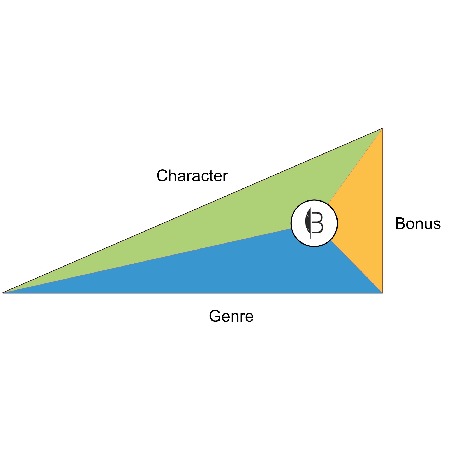
Your Irresistible Tidbit must lead directly to your Value Triangle.
Continuing our thoughts on promotion from the last post, the transition from "creator" to "promoter" may feel like betrayal of artistic principles. Clearly, it's not. That said, the best work plus zero promotion equals no sales and vice versa. We find that tragic. This tendency can have other consequences. It could, for example, cause us to put less than needed effort into marketing. In this vein, many of us feel comfortable at our keyboard, but we sometimes freeze or recoil when asked to describe our work and ourselves. Given that we must do something, we turn to Bardsy's tools. Our Value Triangle, in particular, helps us anticipate readers' reactions and produce better work even as it structures our promotional messages.
This post explains how to write a successful bio, the ever-evolving cornerstone of your career, through the lens of your Value Triangle. In general, your author biography is a promotional essential; naturally, it extends the logic we applied to book cover design: the A.T.E. framework, which stands for Attract, Trust, and Expect. To review, every cover has to break through clutter. Then, after winning the discovery sweepstakes, it must build trust and set reader expectations in order to earn a confident reader investment. In everyday terms, readers need to see it, trust it, and understand its value before they'll purchase your novel.
Under A.T.E, your author biography reaches its potential by adding another element, one that will organize how you present yourself: the Irresistible Tidbit. More than a gimmick, this device will help you structure your thinking about autobiography and ensures that your self-presentation rises to the occasion. The reasoning behind the Tidbit is equally important; it will help you write a bio that works across multiple domains instead of a placeholder that merely occupies space. To set things up, a few more thoughts about promotion itself are needed.
Meeting Your Public: The Author Alter Ego
The idea of standing before a crowd—whether physically or digitally—frightens many people, perhaps with good reason. Public speaking has long been recognized as one of adult's greatest fears. Nearly all authors find it psychologically taxing. We recommend building an Authorial Alter Ego in part to soften this experience. As you write and eventually share your bio, see yourself as creating a new and somewhat separate person. Your alter ego serves two functions:
Protection
The internet is full of trolls, and the best defense against them is realizing that they don't actually know you. They know only a facsimile of you, namely the version that passed through some media. The same logic applies to other public performances. By maintaining and appreciating the distance between your private self and a more public alter ego, you can disengage from toxic behavior and safeguard your mental health.
Effectiveness
The bio is one part of the alter ego that you fully control. It has one purpose: to sell books. For example, try to construct a persona that is larger than life; one that attracts attention. Put another way, use this opportunity to reinvent yourself as the successful author you want to be. This does not mean fake until you make it. Rather, we're encouraging you to apply good energy into your public face.
Don't underplay your achievements or minimize your novel's value. Even if your bio is text and not a live performance, it should vibrate with excitement and confidence. Have fun with the process though that can be easier said than done. Bardsy, by the way, offers our Elite members training and practice to help them reach this state.
Your Bio as Campaign "Stump Speech"
It helps to view your author bio as a stump speech. Imagine a politician running for governor. They might make ten or twenty appearances a day, from a bowling alley to a senior center, shaking hands and asking for campaign funds. They don't have a hundred different stories to share; they have one stump speech, which they repeat again and again. This is not a bad thing. Every person they meet shares the same concern: who are you and why do you deserve my vote? The candidate offers the same answer, adjusted for each venue, to everyone.
A great biography works the same way. It's a core message that is so familiar that delivering it causes limited stress. Then, you modify it to match the occasion. A book jacket gets a few paragraphs, a book signing may call for a few spoken minutes and a reading while an interview gets something longer and interactive. It shouldn't feel like a sales pitch or a formal presentation. It should feel like a conversation with potential readers, telling them a bit about who you are and what your novel offers.
A great stump speech also anticipates a follow-up. When you share your bio, you want people to ask questions. A well-crafted bio steers the audience toward questions that allow you to deepen trust and refine expectations. If you can predict the follow-up, you can lead the reader exactly where you want them to go.
Crafting Your Irresistible Tidbit
The stump speech centers on an Irresistible Tidbit. This is a fact about yourself that is true, but polished for maximum impact. We want to move away from the "I live in a suburb with my golden retriever" biography. The goal is to plant a sticky fact in the reader's mind. It may call for a touch of exaggeration and some tuning. "I started reading science fiction in elementary school" sounds commonplace. "I've read every science fiction book in the Los Angeles Public Library" sounds like an achievement.
We also want this fact to relate to your project, making a connection that builds your brand. Thus, the fact must relate to your novel. If you are writing a cookbook, for instance, the fact that you can cook fifty chicken dishes helps. If you are writing a murder mystery, that fact doesn't add value, unless the murder involves chickens. There should be an organic segue from who you are to what your novel provides. Put simply, your Tidbit must lead to your Value Triangle.
Add Your Value Triangle
Using the A.T.E. framework depends on understanding exactly what value your book offers and to whom. One of the worst things to say to an agent (and readers) is that your book appeals to everyone. Put simply, that's impossible, and it sounds amateurish. Every well-developed novel has a unique audience, one that your marketing efforts need to reach and that your words will satisfy. These two requirements are sides of the same coin.
Bardsy's Value Triangle helps articulate exactly what your novel offers. In doing so, it connects promotion to writing. As discussed elsewhere, the triangle has three sides: character, genre and bonus. You may have to be fairly far along in your project before you commit to its three-part value. With a set value triangle, you can create a one-sentence promise to include in your bio.
The 6-Step Process to Personal Branding
How do you find your Irresistible Tidbit, add the value, and turn it into a bio? Glad you asked:
Step 1: Commit to the Value Triangle
Because it has to tie into your project, you cannot create a bio in a vacuum. You need to be far enough along in your project that you commit to your novel's distinct, three-part value. The resulting sentence guides your revision and all subsequent promotional efforts.
Step 2: Scan Your Life for the Surprise
Authors often possess unusual self-awareness. Step back and list everything you've done from this perspective. Look for something unique. Often, writers say, "I'm boring; I just like to write." When they dig deeper, there is always something.
Step 3: Embellish and Tune
Once you have the fact, tune it for impact. This is where you apply the "Larger than Life" filter. You want the reader to pay attention and, more importantly, to remember this detail about you.
Step 4: Find the Value Link
Look for the linkage between your unique life fact and your author brand. Because our stories emerge from our subconscious, these links usually exist if you probe well enough. Find where your personal history and your fictional world overlap.
Step 5: Test for the "Wow"
Hand your bio to an acquaintance, not a friend. Does it fulfill its function? Does it get a "Wow"? Do they remember it five minutes later? If they say, "That's cool. I want to read that person's book," then you have successfully created your Irresistible Tidbit.
Step 6: Build from This Core
Create versions with different lengths and modalities. Write long versions and short ones. Try saying other versions aloud for thirty seconds and for four minutes, so you develop a feel for how much material you need to prepare to meet the occasion. Plan for follow ups, as well.

Writing a bio is your chance to get used to being the author you imagine.
With this base, you can fit any format—from a 30-second podcast intro to a formal query letter. Writing a bio doesn't have to be a chore. It is your chance to get used to being the author you imagine. It doesn't require extraversion; it's about knowing yourself and your work. Once you have your "stump speech" ready, you can stop worrying about promotion and start enjoying the chance to talk about your work. Be interesting, be energetic, and give your public a tidbit they cannot resist, which leads to your wonderful novel.